Can You Quiet the Food Noise? GLP-1s, Diet Culture, and Raising Kids Who Feel at Peace with Their Bodies
Picture an old radio sitting on your kitchen counter, the kind you can’t quite turn all the way off. It’s always humming in the background. While you pack lunches, it’s asking what you’ll eat later. While you help with homework, it’s reminding you that the diet starts Monday. While you sit at the dinner table with the people you love most, it’s quietly counting calories, comparing your body to someone else’s, and wondering whether you “deserve” dessert.
Most of us are trying to live our best lives. We want energy for our kids, connection with our spouse, and the freedom to enjoy a birthday party without mentally tallying every bite. But for so many people, that radio station never stops playing, and it drowns out the life happening right in front of them.
That background chatter has a name: food noise. In a recent two-part conversation on the Fulfillment Therapy podcast, I sat down with Ana Reisdorf, MS, RD, a registered dietitian, nutrition writer, and the founder and host of The GLP-1 Hub podcast and YouTube channel. Ana focuses on practical, evidence-based nutrition for people using GLP-1 medications and helps them build sustainable eating habits.
I’ll be honest: going into this conversation, I didn’t know much about GLP-1s beyond what I’d heard secondhand. Many of my clients are using them. Friends are using them. It feels like everyone has an opinion. I wanted real information from someone who knows both the science and the lived experience, and Ana gave us both, with refreshing honesty.
A quick note before we begin: this post is for education and reflection, not medical advice. Please talk with your own doctor about any medication decisions.
How Years of Dieting Shape Our Relationship with Food
Ana shared something that stopped me in my tracks. She became a dietitian because she wanted to lose weight. That was her motivation. And despite all her training, significant weight loss never really happened. Her life was wrapped up in the question so many of us know well: What’s the diet I’m starting on Monday?
She has been a registered dietitian for nearly 20 years. She has taught at a university, worked in long-term care and clinical settings, and spent the last decade as an entrepreneur and writer. Then, about four years ago, she started a GLP-1 medication for weight loss, and by her own admission, she did nearly everything wrong.
Here’s what happened. The medication quieted her hunger so much that she stopped eating well. She described getting by on an iced coffee until two in the afternoon. She cut back on working out because, for her whole life, exercise had been a tool for weight loss, and now the weight was coming off without it. A few months in, she began losing visible muscle. Her eight-year-old even asked why her arm looked funny.
She assumed that once she reached her goal, she could stop the medication and maintain her weight. After all, she’s a dietitian. Instead, the weight came back quickly.
Her story shows something I see constantly in my therapy office. Years of dieting and weight cycling don’t only affect our bodies. They shape how we think, how we cope, and how we measure our worth. When your entire life has been organized around restriction, a medication that makes restriction effortless can feel like a dream. But as Ana put it, you can end up trading one problem for another, losing weight while becoming less healthy, possibly undernourished, and losing the muscle that supports your metabolism long term.
She even mentioned reports of rare nutrient deficiencies, like scurvy, showing up in people on these medications. Think about that. Scurvy is the condition we associate with sailors stuck at sea for months without fruit. We should not be seeing it in modern American kitchens.
What Is Food Noise, and Why Does Quieting It Feel So Freeing?
Ana described food noise as a preoccupation with food. It’s the constant mental chatter: What am I eating next? What am I craving? Should I have tacos? Pizza? Am I being good today?
For many people, GLP-1 medications turn that volume way down. And honestly, for someone who has white-knuckled their way through diet after diet without that chatter ever fading, the relief can feel enormous.
Ana was candid that she still has some food noise, just less of it. She loves food. She planned an entire trip to Japan around what she’d eat, and she has no interest in giving up that joy. I appreciated that so much. A healthy relationship with food doesn’t mean food stops mattering. It means food takes its rightful place as nourishment, pleasure, culture, and connection, rather than an obsession or a battlefield.
I’ve seen the emotional side of this with my own clients. One woman who has struggled with obesity her whole life told me she hadn’t lost much weight yet, but her inflammation and pain had decreased. She wanted to move more, and she wasn’t as preoccupied with food. For her, that alone felt worth it. Another client, who struggles with addiction, noticed no change in that area. Every person’s experience is different, which is exactly why these decisions belong in honest conversations with a medical provider.
The Honest Pros and Cons of GLP-1 Medications
One thing I respected about Ana is that she didn’t oversell or fear-monger. She gave us both sides.
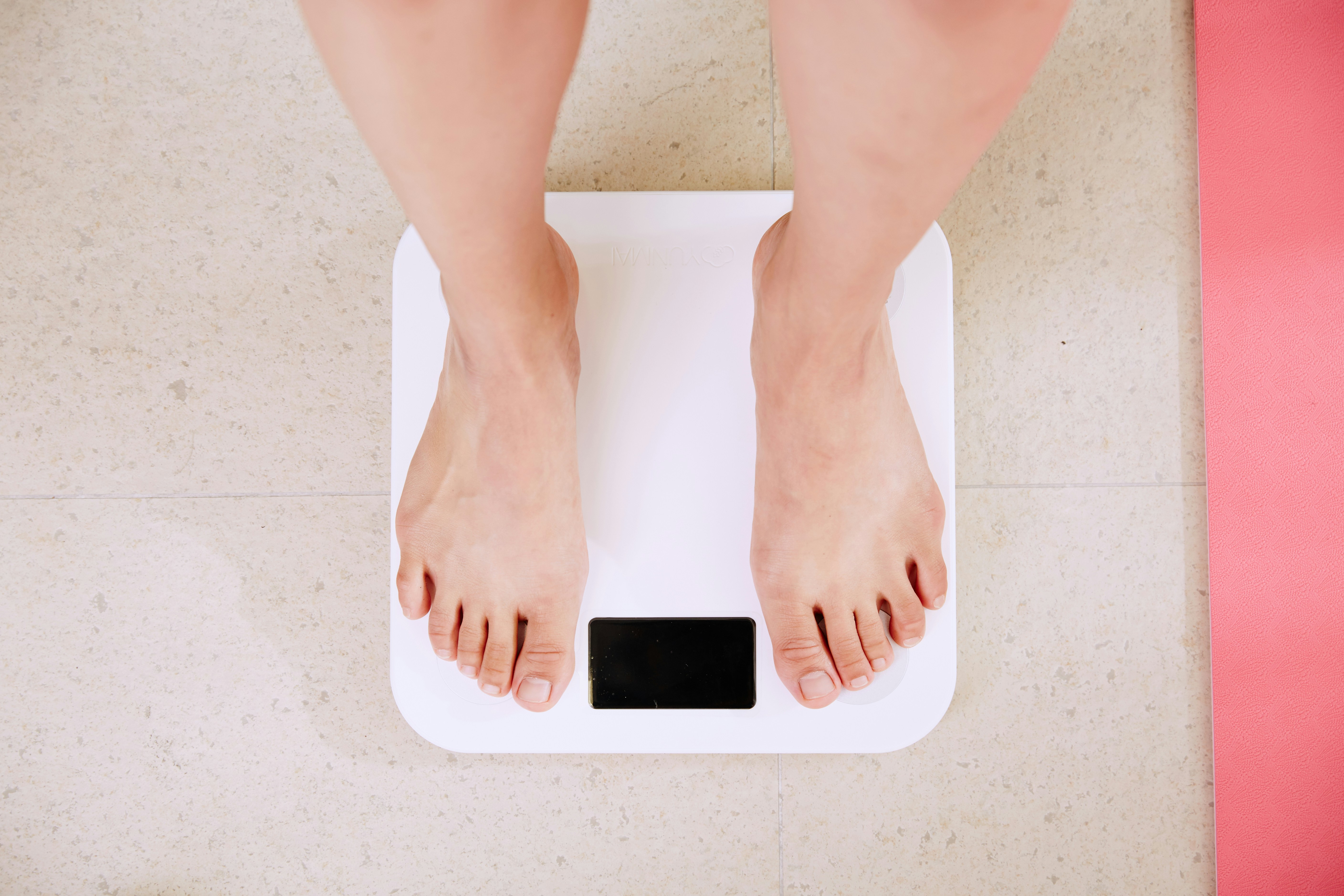
Common side effects. The most frequent are digestive: nausea, constipation, sometimes diarrhea or vomiting. For people on weekly injections, these often cluster around shot day. Ana said most people can manage them with hydration, fiber, walking, and choosing lower-fat foods around their injection, especially with a provider who offers good support.
She shared her own occasional rough day, which once happened in Paris (not a city known for its public restrooms). Interestingly, she noticed the last episode followed an emotional eating moment. She’d gotten upset with her child, went through a drive-through for a hot fudge sundae on shot day, and her body let her know right away. I loved her honesty here, because it reminds us that medication doesn’t erase emotional eating. Our feelings still need care.
More serious concerns. Ana discussed the boxed warning about a rare type of thyroid cancer, which was found in rodent studies. She said the physicians she’s interviewed aren’t especially worried, though anyone with a family history of that cancer should talk with their doctor. She also mentioned emerging research into a rare form of sudden vision loss that may be linked to blood vessel size in the eye and changes in blood pressure. It’s still being studied, and an eye doctor can assess your risk. Earlier concerns about pancreatitis, she said, have largely not held up.
The benefits. Ana listed potential benefits beyond weight loss, including improvements related to inflammation, certain kinds of liver disease, sleep apnea, diabetes, and cardiovascular disease. Researchers are also studying GLP-1s for addiction.
The big unknown. This was the part I found most meaningful. When I asked whether this all seems too good to be true, Ana didn’t pretend to have every answer. She’s 46, and she wonders what 50 or 60 years on this medication might mean. These drugs affect the brain, digestion, blood sugar, and insulin. They’re now approved for children as young as 12. She takes some comfort in the fact that this class of medication has been around for roughly 20 years, but she openly admitted that nobody knows exactly what decades of use will look like.
She also noted that many people regain most of their weight after stopping, with her estimate being around 80 percent within the first year. For now, that means these medications are generally meant to be taken long term.
Who Should Consider GLP-1s, and Who Probably Shouldn’t?
Here’s where I got personal on the podcast. I’m 43 and pretty sure I’m in perimenopause. I’m active, I’m a personal trainer, and suddenly there are 15 pounds that won’t budge the way they used to. I asked Ana point-blank: would she recommend a GLP-1 for someone like me?
Her answer was clear. She believes in prescribing according to FDA guidelines, which means a BMI of 30 or higher, or a BMI of 27 or higher along with at least one weight-related health condition. She’d reconsider if my cholesterol rose, I moved toward prediabetes, or I had a strong family history of those conditions. Otherwise, she said, these medications are being significantly overused for weight that isn’t affecting people’s health.
She expressed real concern that GLP-1s are now easy to get at med spas and through telehealth, that screening for eating disorders is often lacking, and that there’s a strong financial incentive to prescribe. She mentioned a CNN segment about college women using these drugs to reach a size two. And she named the tension so many of us feel:
“Why can’t we find a spot in the middle where we’re like a size eight, and lifting weights and taking our multivitamins?” — Ana Reisdorf, MS, RD
As a therapist, I wanted to cheer. We swing from one extreme to another. Sometimes we neglect real metabolic health risks in the name of self-love. Other times we chase thinness in ways that damage our bodies. Neither extreme is health, and neither leads to fulfillment.
I’ve watched this play out with people I love, including a close friend whose entire lifestyle changed after she became very thin. Those transformations ripple across every area of life, in ways we rarely stop to consider.
If you do decide, with your doctor, that a GLP-1 is right for you, Ana offered a few cautions. Prices vary widely and change often, and insurance coverage depends on your plan. Compounded versions are not FDA approved. If you go that route, ask whether the pharmacy is a 503A or 503B pharmacy and whether it is LegitScript certified. Avoid “gray market” sources entirely. I’ve had a client nearly lose her life after ordering a product online that wasn’t what it claimed to be. Saving money is never worth gambling with your health.
Leaving the Diet Mindset Behind
One of the most important takeaways from Ana is that the old diet mentality is what gets people into trouble on these medications. Because people pay a lot and want results, they layer on keto, intermittent fasting, or strict calorie apps. Ana says that’s not necessary, and it’s often harmful. The real shift is from How little can I eat? to How well can I nourish myself?
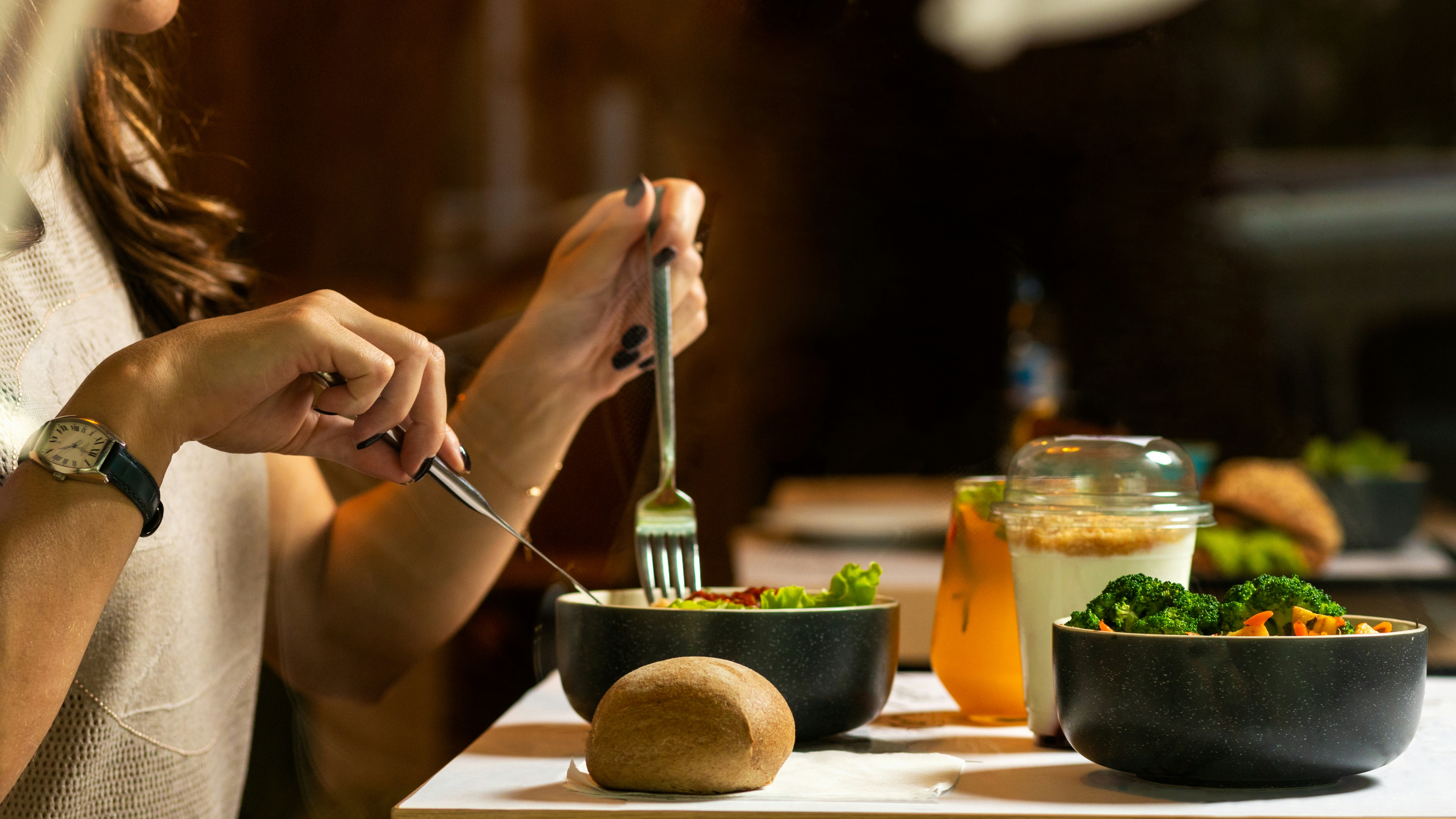
Her basic recommendations for people on GLP-1s include eating three meals a day, even without feeling hungry; including protein at each meal (she suggests around 25 grams on average); adding high-fiber foods like fruits and vegetables; taking a daily multivitamin; and staying active, including strength training to protect muscle.
She gave a simple example. Greek yogurt alone offers protein, but add berries, chia seeds, and almonds, and you have a more nutrient-dense meal with a wider range of nutrients. Yes, it has more calories. That’s the point. She encourages people to ask:
“What is the most nutrient-dense thing that I can create to give my body everything it needs?” — Ana Reisdorf, MS, RD
We also talked about the protein craze. Ana’s kids noticed it on every shelf at Target. She explained that most people were never seriously lacking protein. It matters more on a GLP-1 because you’re trying to protect muscle and may not feel like eating, but eating some protein at each meal generally covers it. As she joked, not everything in your pantry needs protein added.
This reminded me of Michael Pollan’s famously simple advice from In Defense of Food:
“Eat food. Not too much. Mostly plants.” — Michael Pollan
I’m a big fan of Blue Zones and Mediterranean-style eating, which center vegetables, legumes, whole grains, and healthy fats. Balance, variety, and enjoyment have always been at the heart of nourishing family meals.
How to Talk About Food and Bodies with Your Kids
As parents, this may be the most important part of the conversation. Our children are listening to everything, including how we talk about our own bodies.
Ana’s son noticed her muscle loss. My own 10-year-old used to be our most adventurous eater, happily trying every vegetable. Then he started public school and suddenly wanted mac and cheese and chicken nuggets. Recently, we sat down together to set some goals, and on his own he said he’d like to eat more vegetables. I loved that it came from him rather than from pressure or shame.
Here are a few ways we can protect our kids from body anxiety and pass on a healthier relationship with food:
Talk about what bodies can do, not just how they look. Celebrate strong legs that carry them up the soccer field and arms that can hug a grandparent.
Retire “good” and “bad” food labels. Foods can be “everyday foods” and “sometimes foods” without moral judgment attached.
Avoid diet talk at the table. Comments like “I’m being so bad tonight” or “I need to burn this off” teach kids that food is something to earn or punish.
Share responsibility wisely. Dietitian and family therapist Ellyn Satter developed a widely used approach called the Division of Responsibility in Feeding:
“The parent is responsible for what, when, and where. The child is responsible for how much and whether.” — Ellyn Satter
When parents provide regular, balanced meals and let children listen to their own hunger and fullness, kids learn to trust their bodies.
Model the middle ground. Let your kids see you enjoy dessert without guilt, move your body for fun, and eat vegetables because they make you feel good.
Ana asked a question that every parent can carry: what do we want to teach our children about loving their bodies and who they are?
The Question That Changes Everything
Near the end of our conversation, Ana shared a moment I’ll be thinking about for a long time. She has maintained her weight around 150 to 155 pounds, with a healthy BMI. Still, when a friend texts about reaching a much lower BMI, she feels the pull to increase her dose and see a lower number on the scale. Then she stops and asks herself:
“What will it bring me in my life if I weighed 145 instead of 155?” — Ana Reisdorf, MS, RD
Her husband didn’t care when she weighed 200 pounds, and he doesn’t care now. So who is that number really for? She chooses to focus on muscle health, sleep, and lab values instead.
That kind of self-reflection is rare, and it’s exactly what I invite my clients to practice. In acceptance and commitment therapy, we talk about moving toward our values instead of chasing a feeling or a number. Psychologist Carl Rogers wrote:
“The curious paradox is that when I accept myself just as I am, then I can change.” — Carl Rogers
Acceptance doesn’t mean giving up on health. It means letting go of the shame that keeps us stuck, so our choices come from care instead of fear.
When I asked Ana what is bringing her deeper fulfillment, she said she’s thinking about what she wants her life to look like at 50. As a busy business owner, she’s practicing letting go of things and taking an honest inventory of her stress. I love that her answer had nothing to do with weight.
If food, weight, or your body ever feel out of control or all-consuming, please reach out for support. A therapist, a registered dietitian, or the National Alliance for Eating Disorders helpline can be a compassionate place to start.
Turning the Dial
Let’s go back to that radio on the kitchen counter. For many of us, it has been playing the same station for decades: Monday diets, before-and-after photos, and a running commentary on every bite. Some people find a medication helps turn the volume down. Others turn it down through therapy, nourishment, movement, and a lot of self-compassion. Many need some of both.
But here’s what I hope you take from this conversation. The goal was never silence for its own sake. The goal is to finally hear what the noise has been covering up: your kids laughing at the dinner table, the satisfying crunch of fresh berries, the quiet pride of a body that is strong and cared for, and your own voice asking what you really want your life to feel like. That’s the music worth turning up.
If this conversation sparked something for you, explore our online courses at fulfillmenttherapy.org. Ignite Your Life helps with personal growth, Mend Your Marriage deepens connection with your spouse, and Find Your Focus helps you start your own online business and podcast. You can also join one of our group coaching programs. To learn more from Ana, visit glp-1hub.com or join her community at join.glp-1hub.com, and find The GLP-1 Hub on YouTube and Instagram.
For more inspiration, follow us on Instagram and Facebook @fulfillmenttherapy, or email hello@fulfillmenttherapy.org to request coaching, share a topic idea, or apply for a free on-air coaching session in a future episode. New episodes drop every Monday. Until then, be gentle with yourself. You’re worth nourishing.
Listen to Episodes 372 & 373 of Fulfillment Therapy wherever you get your podcasts. Visit fulfillmenttherapy.org for courses, coaching, and community support. Follow us on Facebook and Instagram @fulfillmenttherapy — we'd love to connect with you there.
*Listen to our podcast episodes 366 and 367/ Can You Quiet the Food Noise and Fine Peace with Your Body? WIth Ana Residorf
Connect with Kendra:🤗
ALL LINKS → https://linktr.ee/fulfillmenttherapy
Website → https://fulfillmenttherapy.org
Contact → hello@fulfillmenttherapy.org
Instagram → @fulfillmenttherapy
Facebook Community → http://bit.ly/fulfillmenttherapy
Facebook Group → Private FB Group
Schedule 1:1 Coaching → https://fulfillmenttherapy.org/1-on-1-coaching
Chat → 1-986-910-5172 *text questions & topic requests

Phone
(986) 910-5172


