September 07, 2026•11 min read
There's a version of your best life you've been picturing for a while now — one where your family is actually present with each other, where your kids look up from their screens long enough to have a real conversation, where the evenings feel calm instead of chaotic, and where you go to bed feeling like today actually meant something. If that version feels far away right now, you're not imagining the distance. And you're not alone in feeling it.
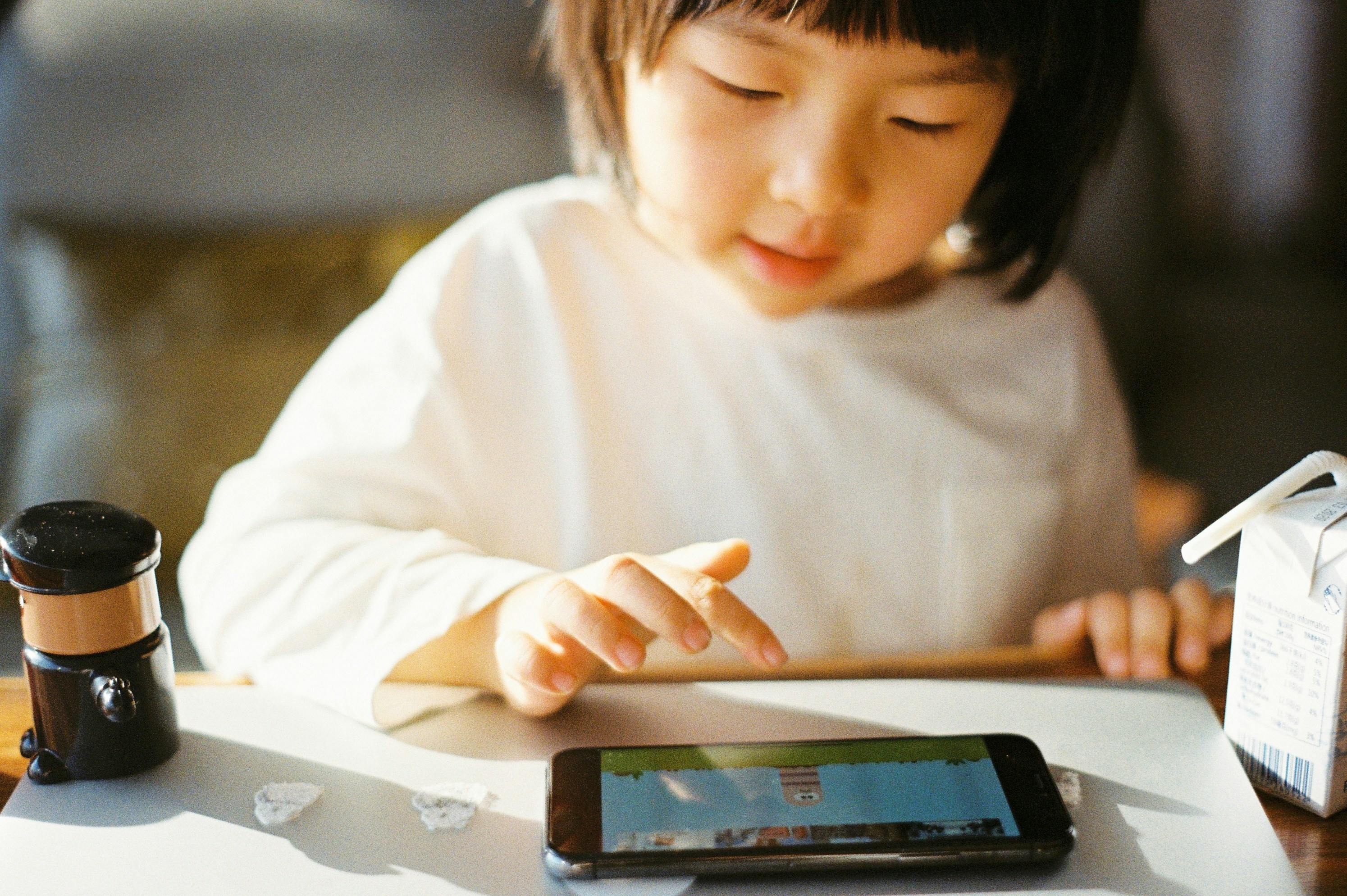
Most of us are doing everything we think we're supposed to do. We're keeping our kids fed, scheduled, and enrolled in the right things. We're working hard, staying connected on our own devices, and trying to keep the household from completely falling apart. But somewhere in the middle of all that surviving, we've started to notice something quietly slipping — the real, face-to-face, laugh-until-it-hurts kind of connection that used to define family life. And increasingly, a glowing screen is what's standing between us and it.
In this two-part episode of Fulfillment Therapy, I sat down with my friend Joey Palmer — a nearly 20-year educator and current assistant superintendent — for one of the most honest, validating, and eye-opening conversations I've had in a long time. We talked about what screen overload is doing to our kids at school and at home, what the research is actually telling us about technology and learning, and most importantly, what we can realistically do about it. If you've been feeling the pull to make a change but didn't know where to start, this one is for you.
The Guy Who Used to Love Ed Tech
Before Joey became the person pushing back against technology in schools, he was one of its biggest champions. He wrote grants for iPod touches when they were brand new, secured one-to-one Chromebook programs before they were common, and even partnered with a learning platform backed by Mark Zuckerberg to personalize math education for struggling students. He believed deeply that technology was the answer — the tool that would finally close achievement gaps and reach kids who traditional teaching hadn't.
He invested real time, real money, and real hope into that vision. And then he watched the data.
The gains weren't there. In some cases, the gaps actually widened. The Wilder School District in Idaho — once celebrated as one of the most innovative in the country, visited by Ivanka Trump and Apple CEO Tim Cook — became a cautionary tale rather than a success story. A math curriculum company promised that faithful use of their intervention platform would produce one to 1.6 years of learning growth in a single year. What Joey saw instead was gap widening, not gap closing.
"I was in the school district and I would oversee discipline... and I noticed more often than not, a lot of the behaviors in the major district policy violations were a direct result of personal cell phones facilitating these terrible behaviors." — Joey Palmer
The technology that was supposed to connect students was, in practice, disconnecting them — from their teachers, from each other, and from the kind of deep focus that real learning requires. Students were checking out emotionally while checking their screens constantly. Bullying was being facilitated through devices. And attention in the classroom had become genuinely fragmented in ways teachers were struggling to manage.
What struck me most in our conversation was how long it took the education system — and frankly, all of us as parents — to acknowledge what was right in front of us. We were dazzled by the innovation and afraid of being left behind if we didn't keep up. So we kept investing in tools that the data simply wasn't supporting. Sound familiar? If you've ever handed your child a tablet just to buy yourself twenty minutes of peace, you know exactly what I mean. I've done it. No shame here — but it's time to talk about what that's adding up to.
What the Brain Science Is Telling Us
Joey shared a fascinating MIT study — not yet peer-reviewed, but genuinely compelling — that looked at three groups of students each writing an essay. One group used AI assistance, one used a traditional search engine, and one wrote using only their own brain. The group that relied on AI showed somewhere between 43 and 47 percent cognitive drop-off compared to those who wrote independently. Even more striking, when the AI group was later asked to write without any technological help, they performed significantly worse than their peers — and they couldn't even recall much of the content they had previously written with AI.
The group that did the hard mental work first told a very different story. When they were eventually introduced to AI, they actually performed better than before. The struggle had made them stronger. Their brains had built the foundation that made the tool useful rather than a replacement for thinking.
Joey described it this way: "Imagine going to the gym and instead of lifting the weights yourself, you use a forklift to do your reps. Then you act like you just had a great workout. That's what we're doing with students and AI."
This isn't just about grades or test scores. Harvard psychiatrist Dr. John Ratey, author of Spark, has written extensively about how the brain requires genuine cognitive resistance to develop and stay strong — the same way muscles require resistance training to grow. When we consistently offload our thinking to technology, we bypass the very processes that build intelligence, memory, creativity, and emotional resilience. That applies to our kids doing homework. And it applies to us firing off an AI-generated email instead of sitting with our own thoughts long enough to write one ourselves.
Joey also mentioned that a neuroscientist he'd come across had flagged a potential connection between heavy AI usage and increased risk for early-onset dementia — because we're literally outsourcing the mental exercise our brains need to stay sharp. We don't have the full research yet, but it's a sobering enough idea to make you pause before letting the algorithm do all the heavy lifting.
The Conversation We Need to Have at Home
It would be easy to make this entirely about schools and administrators and ed tech companies. But the part of this conversation that hit closest to home for me was the acknowledgment that parents — myself very much included — have been a big part of how we got here.
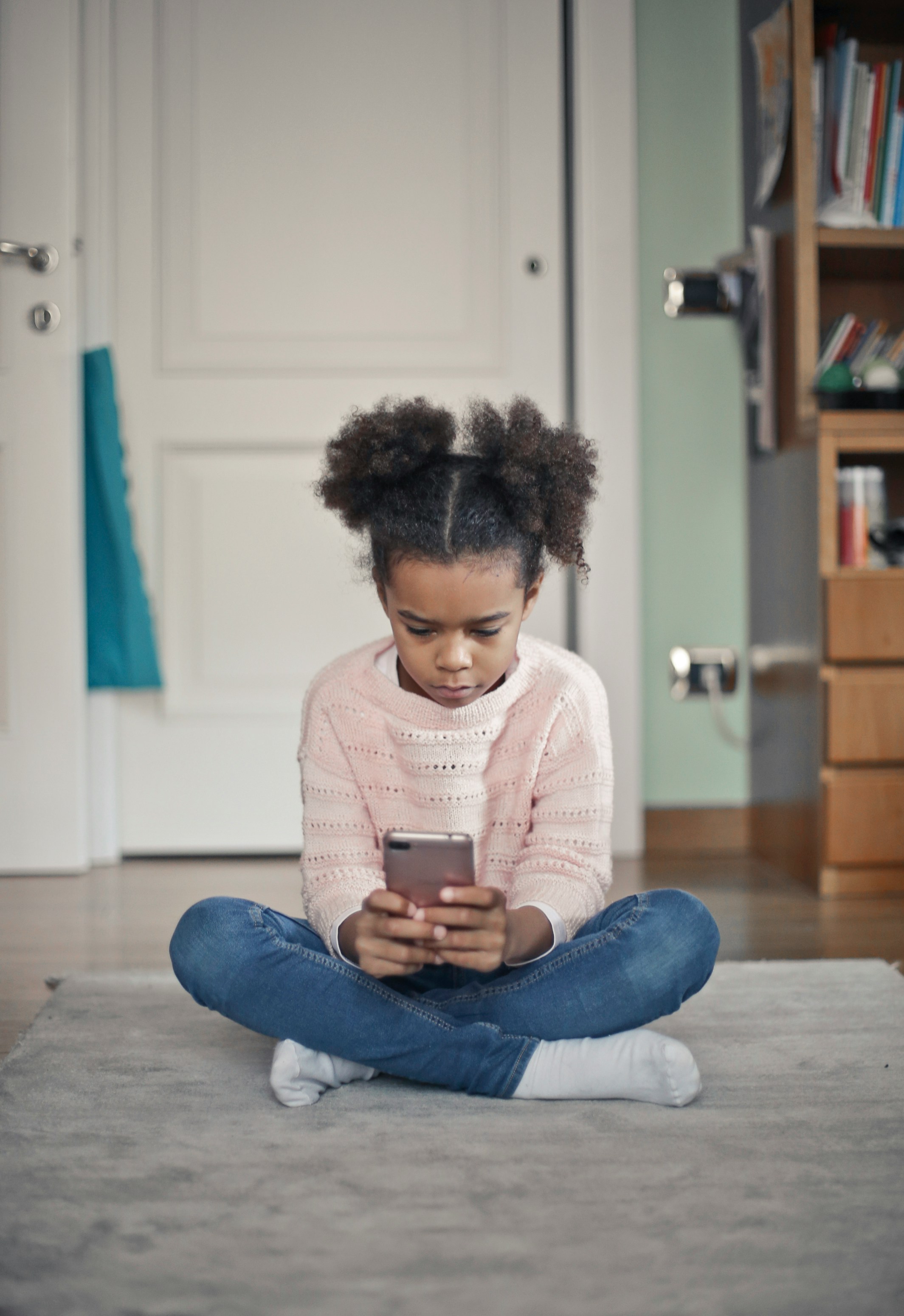
I shared with Joey that I watch my own teenage son choose to text his friends rather than actually spend time with them, even when I offer to drive him wherever he wants to go. He just doesn't want to go. And I'll be honest — something about that breaks my heart every single time. I can feel the habits solidifying, the social muscles weakening, and I find myself genuinely wondering what it's going to take to shift this.
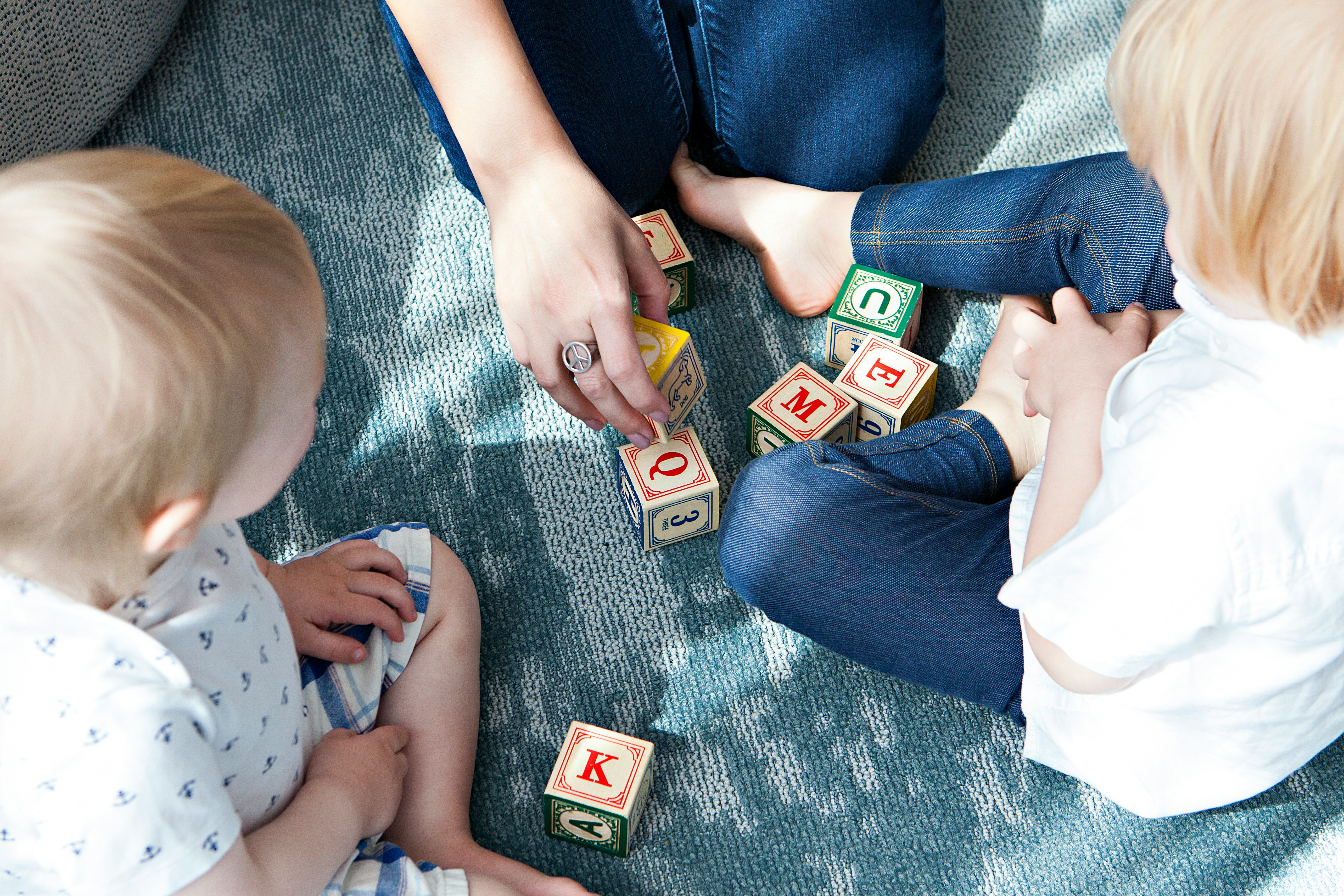
What I appreciate about Joey's approach is that he doesn't frame it as a failure or a crisis that requires a dramatic intervention. He frames it as an experiment worth trying. His practical starting point for families is simple: "My family's gonna try and do 7 PM until bedtime where there's no screens on whatsoever. And we all hang out in the living room together." Coloring books, journals, board games, conversation cards, origami — whatever gets people off their devices and into the same room, actually looking at each other.
One night a week. Not a total ban. Not a punishment. Just one intentional experiment in reclaiming the kind of time together that used to happen naturally, before screens filled every quiet moment. And when your family resists? That resistance is actually meaningful data. It tells you just how deep the habit has gone — and why it matters to gently, persistently keep trying anyway.
Replace It With Something Better
One of my favorite moments in our entire conversation was when Joey talked about his kids going through a Dungeons & Dragons phase. His first reaction was to cringe a little — it felt nerdy, a bit odd, not exactly what he pictured for his evenings. But then he started really watching what was happening. His kids were sitting around a table together. They were looking at each other. They were reading, improvising, laughing, being creative, and building something together that no screen had ever prompted. He started buying them pizza and Doritos without being asked, just hoping it would keep going.
That image sticks with me because it captures something important: the goal was never to simply take screens away. The goal is to replace them with something that actually nourishes our kids' development, emotional health, and sense of connection. Sports, extracurriculars, speech and debate, art, marching band, book clubs, neighborhood time, community activities — anything that puts young people face-to-face with other human beings in a shared, embodied experience.
As Brené Brown has said, "Connection is why we're here. It is what gives purpose and meaning to our lives." Joey put it more plainly but just as powerfully when he said, "People need people. That's how we thrive. That's how we're going to decrease depression — and not just mask it with meds." As a therapist, I see this play out in my work constantly. So much of the anxiety and depression I encounter traces back to disconnection — from other people, from meaningful activity, from the simple but profound experience of being genuinely present in your own life. Our kids aren't uniquely struggling. We all are. And that means this is something we can actually work on together.
Small Steps That Actually Move the Needle
If you've made it this far and you're feeling that familiar mix of conviction and guilt — stay with the conviction. The guilt doesn't serve you here. What serves you is choosing one thing and actually doing it.
Start with one screen-free evening per week at home. Tell your family what you're doing and why — not as a lecture, but as an honest conversation. Tell them you miss them. Tell them you want more of what actually matters. Let there be awkwardness and resistance at first, because that discomfort is the beginning of something real shifting.
If you want to extend your influence beyond your home, consider reaching out to your school administrators. Joey was clear that parent voices matter more than most of us realize — a thoughtful email to a principal, superintendent, or school board member carries real weight. You don't need a polished argument. You just need to show up as a parent who is paying attention and cares enough to say something. And write that email yourself, in your own words — because as Joey pointed out, administrators can always tell when a message was generated by AI, and the human-written ones land in a completely different way.
Finally, Joey's answer to my closing question about personal fulfillment is worth sitting with: "Find someone that has worked on something and invested themselves in something, or a book that you know nothing about, and remember what it feels like to be a beginner again." There's something quietly grounding about that. About choosing humility and curiosity over comfort and ease. It's the same posture we're asking our kids to develop — and the more we model it ourselves, the more natural it becomes for them to follow.
The Life You've Been Picturing Is Still Possible
I started this post by asking whether you could feel the gap — the distance between the connected, present, meaningful family life you want and the screen-saturated reality most of us are navigating daily. I want to close by coming back to that, because I don't want you to walk away from this feeling heavier than when you started.
That gap is real. But it is not permanent, and it is not your fault that it exists. We were handed a culture that normalized constant screens before we had the research to understand what that would cost us. We made the choices available to us with what we knew at the time. Now we know more. And that means we get to choose differently, starting today, starting small.
Living your best life as a parent was never going to be about having the perfect system or the strictest rules. It was always going to be about showing up — really showing up — for the people right in front of you. One screen-free evening. One honest conversation. One Tuesday night board game that nobody asked for and everyone secretly needed. The version of your family life you've been picturing? It's still there, waiting on the other side of one small, intentional choice at a time. Let's start making them.
Listen to Episodes 354 & 355 of Fulfillment Therapy wherever you get your podcasts. Visit fulfillmenttherapy.org for courses, coaching, and community support. Follow us on Facebook and Instagram @fulfillmenttherapy — we'd love to connect with you there.
*Listen to our podcast episodes 354 and 355/Raising Disconnected Kids in a Connected World: One Educator's Wake-Up Call Every Parent Needs to Hear, with Joseph Palmer
Connect with Kendra:🤗
Contact → hello@fulfillmenttherapy.org
Chat → 1-986-910-5172 *text questions & topic requests
familyparentingspiritual
Back to Blog