The Data Detox: When Your Smart Devices Are Stealing Your Joy (And What to Do About It)
You know that feeling when you've checked every box, followed every wellness trend, tracked every metric, and downloaded every app that promises to make you healthier, happier, and more balanced—yet somehow you still feel completely exhausted? Like you're running on fumes, snapping at the people you love most, and wondering why doing everything "right" still leaves you feeling so empty inside?
I've been there too. In fact, I was recently stuck in this exact cycle myself, and what I discovered completely shifted how I approach wellness—not just for myself, but for the parents and families I work with every day as a therapist.
If you're striving to live your best life but feeling like the very tools meant to help you are actually draining your battery, this might be the most important conversation we have. Because here's the truth: we've been treating our lives like machines we can upgrade with the right app, the perfect morning routine, or the latest tracking device. But in doing so, we've stripped away our humanity and replaced our intuition with algorithms.
It's time to reclaim what we've lost.
The Over-Optimization Trap We're All Caught In
There's a growing movement of people who are simply exhausted by the self-improvement space—where wellness feels more like an unattainable performance than actual care for ourselves. This "over-optimization backlash" is real, and if you're reading this, you've probably felt it too.
For years, we've been sold the idea that if we just have the right device, the correct supplement, the perfect sleep tracker, or the ideal morning routine, we'll finally feel fixed. We'll finally feel better. But what's actually happening is that we're approaching our lives more like a formula or an algorithm instead of honoring ourselves as actual humans with complex needs, emotions, and circumstances.
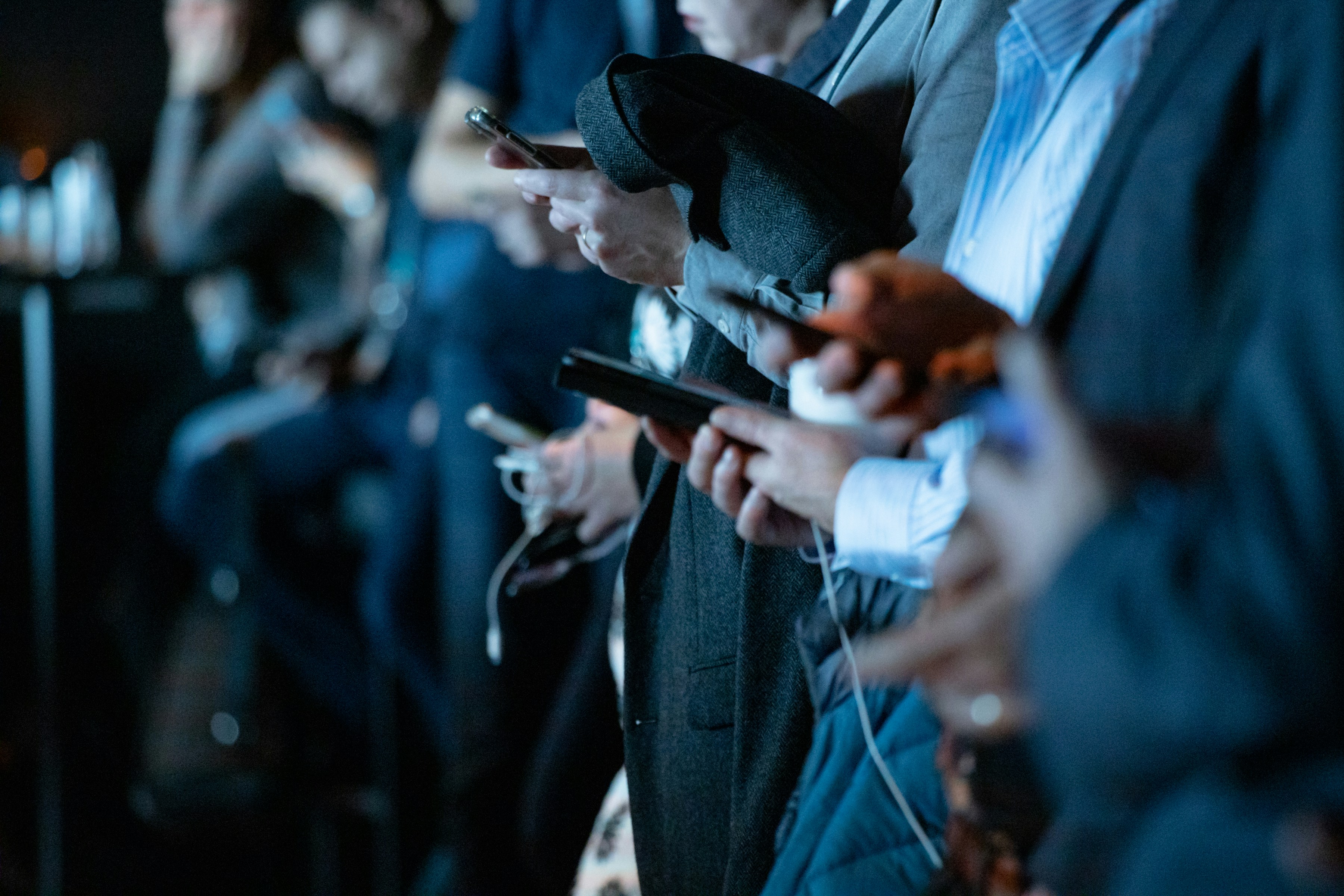
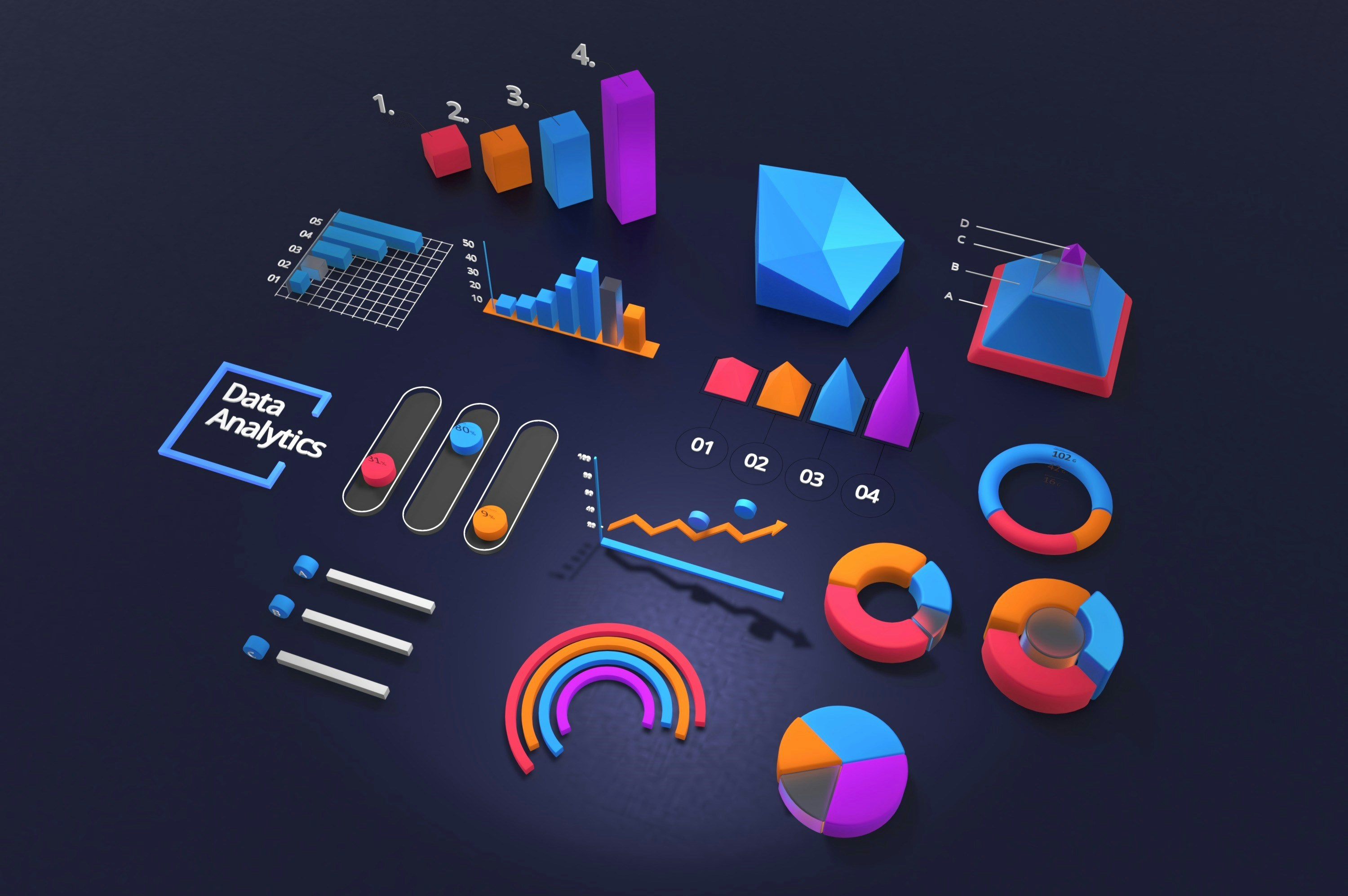
Despite having access to more information and more data than ever before, many of us feel just as confused—if not more so. We're tracking our steps, monitoring our sleep scores, logging our calories, and measuring our heart rate variability, but it's not leading to the greater results we were promised. Instead, it's creating another layer of pressure, another set of "shoulds" piled onto our already overflowing plates.
The shift we need to make is profound but simple: we need to move from asking "How can I be more productive?" to "How can I feel more alive?"
When Self-Improvement Becomes Self-Sabotage
I was talking with a client recently who has an app that tells her what she needs to do every 30 minutes throughout the day. By evening, she's filled with such self-loathing because she doesn't get to most of those things. She writes down 20 tasks and feels like a complete failure when she only completes a handful.
Sound familiar?
Here's what I want you to notice: whenever you find yourself saying "should" repeatedly—I should have done that, I should be doing this, I should have finished that—there's shame lurking underneath. And when there's shame, it's time to get curious instead of critical.
As I've been going through extensive training in somatic bodywork, I've started asking myself (and my clients) a different question: What does my body actually want and need more of? What does my spirit crave?
This question alone can be revolutionary because most of us have spent so long ignoring these signals in favor of what our devices tell us or what our to-do lists demand.
One simple shift you can make right now: instead of creating a to-do list, try creating an "I want to" list. Or, if you're a high performer who's really hard on yourself, create a weekly list of 20 things and give yourself permission to choose just three each day. You can adjust based on what feels right in your body rather than forcing yourself through a rigid schedule that leaves no room for being human.
My Wake-Up Call: When The Data Stopped Making Sense
Let me share something personal that happened to me recently. I was experiencing significant fatigue, burnout, and overwhelm—all the things my clients regularly describe to me. I was taking my supplements, using my happy light, doing all the "supposed tos" to improve my mental health and wellness. These things were helping somewhat, but not as much as I expected.
I started researching my symptoms and wondered if I might be overtraining. So I checked my fitness trackers—I have a couple different ones on my watch, my Fitbit, and another called My Zone that I use at the gym.
Here's what was wild: one tracker told me I was at risk for overtraining. The other—my Fitbit—said I was at risk for undertraining.
How is that even possible?
I dug deeper and realized that my phone's health app wasn't tracking accurately because I'm not always carrying my phone. The Fitbit wasn't communicating properly with my other devices, even though it's supposed to. Because I was doing more stair climbing with steep inclines instead of walking more steps, my heart rate was elevated, but my step count was lower. The devices couldn't account for this nuance.
If I had just blindly followed one of those trackers, I would have been missing crucial information. But then I did something even more important: I stopped relying solely on the data and started listening to my body.
I asked myself: What does this intuitively feel like to me?
And my body told me it felt like a hormone issue (hello, perimenopause) combined with overtraining. So I gave myself permission to scale back, to have lighter workouts with a lower heart rate, and to let go of what those apps were demanding from me.
As I reflect in my podcast, "These apps often replace our human intuition, and even connection with data that may not even be accurate. When we rely on a ring to tell us how we slept, or an app to tell us how to breathe, we stop listening to ourselves."
We also stop seeking co-regulation from other people—the kind of connection that actually heals us.
The Rise Of Neuro Wellness: Listening To Your Body Over Your Thoughts
For a long time, Cognitive Behavioral Therapy (CBT) has dominated the mental health landscape, and it's definitely helpful for things like anxiety. I still use it as a tool with my clients. But I've found that it often provides only surface-level help rather than addressing the deeper wounds, unmet needs, and inner child issues that prevent true healing.
That's where neuro wellness comes in—and it's exactly what I've been doing with clients through somatic work, even before I knew the term was trending.
Neuro wellness moves the focus from the mind to the body. It recognizes when we're stuck in fight-or-flight mode and addresses that first through things like vagus nerve stimulation, cold exposure, humming, and other body-based techniques that help regulate our nervous system before we even try to address our thoughts.
I first learned about this kind of body awareness through EMDR trauma therapy. My therapist kept asking, "Where are you feeling this in your body?" And honestly, I had no idea at first. I'd never paid attention. But as I tuned in, I started noticing I was storing stress and pressure in my shoulders and neck.
Different people store stress differently. Some feel it in their gut. Others feel it in their chest. There's usually a reason for that, and exploring it can be incredibly healing. (That's a whole other conversation we can have another time!)
The point is: your body is giving you information constantly. The question is whether you're listening to it or drowning it out with data from devices that can't possibly understand your unique experience.
Embracing Soft Wellness: Permission To Just Be
Here's a concept that might feel uncomfortable at first but could change everything: soft wellness.
Soft wellness is about permission. It's about giving yourself permission to take that slow walk in the sun because it feels good—not because you're trying to burn calories or hit a step goal. It's not about optimization or efficiency. It's about being present and doing what feels intuitively right.
It's about creating what I call "soft landings" in your day—those moments of intentional ease. Like lighting a candle, sitting in silence without needing to track anything or make it productive, or simply being without measuring, tracking, or reporting to anybody.
I had a client who said she wishes she could just sit for an hour in silence and pray or meditate. When we explored what was stopping her, we realized she felt guilty doing something that didn't result in a tangible accomplishment. There was no dopamine hit from crossing it off a list.
So we talked about what it would look like to tune into her body and what she needs rather than what she feels she's supposed to do. To simply listen and be—without guilt.
Now, I acknowledge this might be hard without support. Sometimes working with a coach or therapist can help you explore those layers of guilt and shame so you can set them aside more effectively. But you can absolutely start on your own.
Dr. Gabor Maté, renowned physician and expert on stress and trauma, reminds us: "The greatest damage done by neglect, trauma or emotional loss is not the immediate pain they inflict but the long-term distortions they induce in the way a developing child will continue to interpret the world and her situation in it."
Part of healing those distortions means learning to honor what our bodies and spirits are telling us—not what productivity culture demands.
Mico-Movement Snacks: Wellness For Busy Parents
I know what you might be thinking: "This all sounds great, Kendra, but I'm a parent with zero free time. How am I supposed to fit in soft wellness or listen to my body when I can barely keep up with the basics?"
I hear you. And I want to introduce you to the concept of "micro movement snacks."
No, we're not eating anything—this is about setting aside the all-or-nothing fitness mentality and finding small pockets of movement throughout your day that actually feel good and connect you with your family.
Here are some examples:
Stretch for three minutes while you wait for your kids at the bus stop
Have a quick dance party with your kids after chores
Go to the park and set a 10-minute timer for an obstacle course where your kids get to tell you what to do and you time each other
These little bursts of playful movement are incredibly effective at stabilizing blood sugar and boosting mood—and the best part is they help you bond with your family. You're not isolating yourself in a gym for an hour you don't have. You're weaving wellness into your actual life.
Science backs this up: these micro movement snacks are just as beneficial as longer workouts for many health markers, and they make wellness accessible for parents who feel like they have zero "me time."
Healthspan vs Lifespan: A Shift That Changes Everything
Here's another important shift happening in the wellness world: the move from focusing on lifespan (how many years you live) to healthspan (how many of those years you actually feel good).
Think about it: what's the point of living to 105 if you're miserable for 40 of those years because you can barely move? Of course we want to focus on healthspan—on having the energy to play with our grandkids one day, on celebrating our vitality and functional strength and life fulfillment.
This moves the goalpost from fear of death to celebration of life. From merely surviving to actually thriving.
And that's exactly what this work is all about.

The Sleep Optimization Trap (And How To Escape It)
Let's talk about sleep for a moment because this is another area where our devices can actually make things worse.
We all know what it feels like to have less sleep—we're more reactive, more emotional, basically acting like toddlers ourselves because our prefrontal cortex (the part of the brain that helps us stay calm) basically goes offline.
But here's the question: is optimizing our sleep really about having the perfect pillow or the highest sleep score? Or is it about something else entirely?
I want to encourage you to focus less on what your watch or tracker says and more on how you actually feel.
I have friends and even my teenage daughter who will look at their sleep ring and say, "Oh, I got really poor sleep—negative so many hours." And then suddenly they feel more fatigued after seeing that low score.
Since I stopped checking my sleep data daily, I've noticed I don't experience that same negative suggestion. I look at overall patterns—like I generally get about this much sleep over the course of a month—and that's just information. But I don't let it dictate how I feel about my day.
I know I feel best when I fall asleep around 9:30 and wake up naturally around 4:30. (I'm not saying you need to do this—that's just what works for my body!) If I shift that too much in either direction, I notice the effects. But I'm listening to my body tell me this, not a device.
Pay attention to when you feel most energized and rested. Honor those patterns. Your body knows what it needs better than any algorithm.
The Community Connection: Where Real Healing Happens
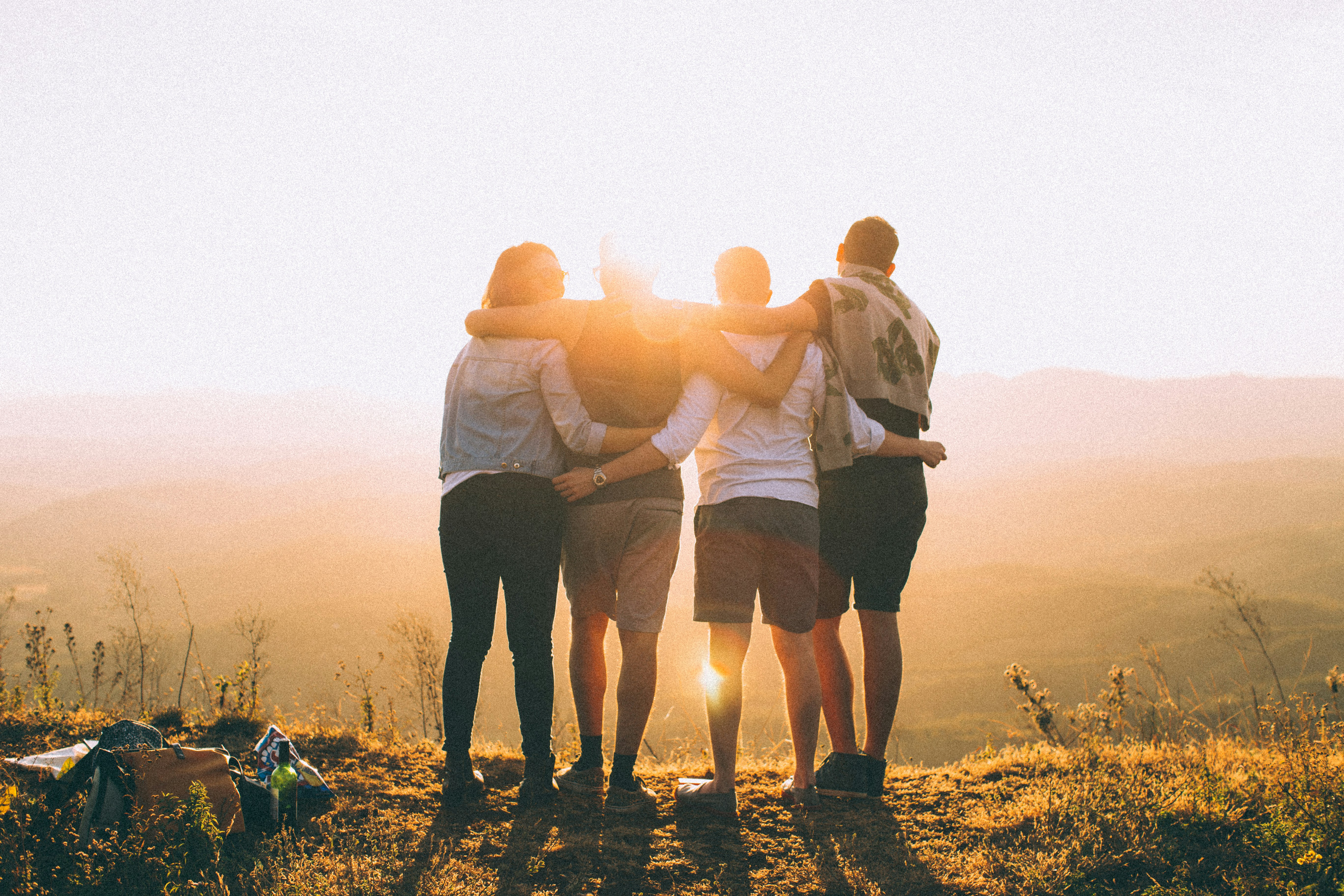
Here's something crucial that's been getting lost in our device-obsessed culture: true fulfillment comes when we're connecting with other people and letting go of a lot of that digital data.
As I share in my podcast, "True fulfillment comes when we're connecting with other people, when we're letting go of a lot of that digital data and those tools. Because it can't be quantified in that way."
And I promise you, no matter what tech companies claim, that will never change. If anything, over-relying on devices will make us less connected with our intuition and with our bodies.
Research consistently shows that when you gather in community with others who are also trying to improve their lives and mental health—people who aren't just existing but are actively seeking growth—there's a social contagion effect. You naturally start to improve just by being around them.
You've probably heard about the study showing that you become like the five people you spend the most time with. So be intentional about who you're surrounding yourself with, and be willing to create community settings even when it feels hard.
One of the biggest detrimental effects we're seeing in modern life is increased isolation. The more we're on devices and screens, the less we're connected to our community. Warning signs include:
Losing interest in hobbies
Not reaching out to friends as much
Filling connection time with device time
Compulsively checking your phone
If you're experiencing these, something needs to shift so you can reconnect with community, because that's where real fulfillment and lasting results come from.
The beauty of community wellness is that joy naturally exists because of that sense of belonging. It's not the discipline of endless tasks or those tiny, short-lived dopamine hits from checking boxes. It's beautiful connection that happens over time. Yes, working with other people can be messy, but there's also more lasting joy.
If you're feeling isolated, consider joining groups on platforms like Meetup, starting your own walking group, or finding a creative outlet to share with others. I've been exploring this myself, looking for art groups and hiking communities. If they're not available in your area, maybe you're the one to start them. Be patient as they grow.
Building Resilience Over Perfection
There's been a powerful shift in recent years toward resilience over perfection, and I'm so grateful for this change.
For too long, we've been hyper-focused on having it all together, on appearing perfect, on never struggling. But resilience is about acknowledging that life is going to be messy, stressful, and unpredictable—and that's okay. That's part of the human experience.
Being well no longer means having a calm, perfect life. It means having a regulated nervous system (through tuning into your body) and a supportive community so that when hard things happen—because they will—you have the internal and external resources to navigate those struggles without completely falling apart.
Please normalize struggles for yourself and for your kids. Remind them (and yourself): "Yes, this is part of the human experience. This is okay. It doesn't mean I've completely wrecked my life. This is what life is all about—there are curves, peaks, and valleys."
As parents, we want our kids to be resilient over perfect because we know perfection isn't possible in this life.
So model what you want to see in your own children. Explore how you can be more resilient. Maybe you don't completely ditch your devices—I still wear my Fitbit and my Zone tracker at the gym—but don't treat them as gospel. Tune way more into your body. Focus more on resilience and community. Prioritize your healthspan over your lifespan.
As the saying goes, "You can't pour from an empty cup"—but I'd add to that: you also can't fill your cup by following someone else's formula. You fill it by listening to your own body, honoring your own needs, and connecting with real people in meaningful ways.
Your Invitation: One Small Shift This Week
Here's what I want to invite you to do this week: choose one mantra from this conversation to focus on.
Maybe it's: "This week, I'm going to listen to my body and my spirit and be more flexible."
Put it in your morning routine. Say it each day. Set a timer to remind yourself. Do it in whatever way feels right—and here's the key—do it in a flexible way. This isn't another rigid rule to follow. It's an invitation to come home to yourself.
Notice when you're saying "should." Get curious instead of critical. Ask yourself what your body actually needs in this moment. Give yourself permission for soft landings, for micro movement snacks with your kids, for sitting in silence without it needing to be productive.
Pay attention to your sleep patterns based on how you feel, not what your tracker says. Seek out community, even in small ways. Choose resilience over perfection, every single time.
Because here's the truth: your kids don't need a martyr who sacrifices everything for them. They need a regulated, joyful parent who knows how to honor their own needs and gifts. They need someone who models what it looks like to be human—messy, imperfect, and still deeply worthy of care.
As Brené Brown reminds us, "When we deny our stories, they define us. When we own our stories, we get to write the ending."
It's time to own your story—not the one your devices are writing for you, but the one your body, your spirit, and your heart know to be true.
Coming Full Circle: Living Your Best Life
Remember at the beginning when I talked about that exhausting feeling of doing everything "right" but still feeling empty? That's where I was. That's where so many of the parents I work with find themselves.
But living your best life isn't about optimization, perfection, or following the latest wellness trend. It's not about having the most data or the best tracking system. It's about coming home to yourself—to your body's wisdom, to your spirit's needs, to the connection and community that actually heal us.
It's about shifting from being a human doing back to being a human being.
The data can inform us, but it can't replace our intuition. The apps can guide us, but they can't tell us what we truly need. The trackers can measure certain things, but they can't quantify joy, connection, or the feeling of being fully alive in your own life.
So maybe it's time for a data detox. Not to abandon technology entirely, but to put it back in its proper place—as a tool that serves you, not a master that controls you.
Maybe it's time to reclaim your intuition, trust your body, seek out real community, and give yourself permission to rest, play, and simply be without needing to track, measure, or optimize every moment.
Your best life is waiting—not in the next app download, but in the quiet wisdom of your own body, the laughter of your children, the connection with a friend, and those soft, sweet moments of simply being present in your own precious life.
You deserve that. Your family deserves that. And it all starts with one small shift—one moment of tuning in instead of checking out, one breath of listening to yourself instead of your devices, one choice to honor what your body and spirit are asking for.
That's the path to true wellness. That's the way home.
If you're ready to explore these shifts more deeply and create a life that truly feels fulfilling, I invite you to reach out. Email us at hello@fulfillmenttherapy.org or join our community on Facebook and Instagram @fulfillmenttherapy. For additional resources and support, visit fulfillmenttherapy.org. This is your space to heal, grow, and flourish—and I'd be honored to walk alongside you on this journey.
*Listen to our podcast episodes 334 and 335/ The Data Detox: When Your Smart Devices Are Stealing Your Joy (And What to Do About It)
Connect with Kendra:🤗
ALL LINKS → https://linktr.ee/fulfillmenttherapy
Website → https://fulfillmenttherapy.org
Contact → hello@fulfillmenttherapy.org
Instagram → @fulfillmenttherapy
Facebook Community → http://bit.ly/fulfillmenttherapy
Facebook Group → Private FB Group
Schedule 1:1 Coaching → https://fulfillmenttherapy.org/1-on-1-coaching
Chat → 1-986-910-5172 *text questions & topic requests

Phone
(986) 910-5172


